PALLET RUNNER SYSTEMS
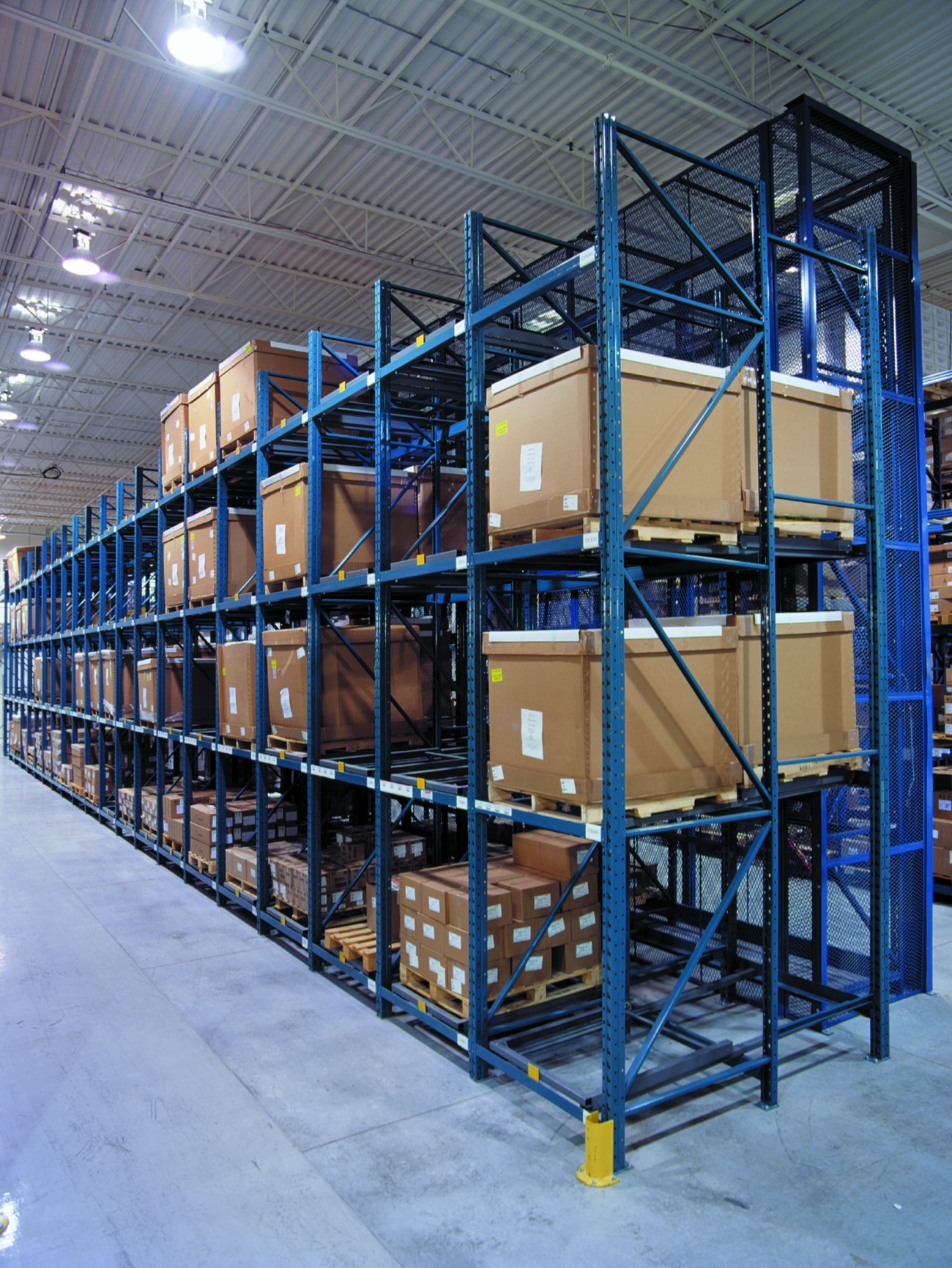
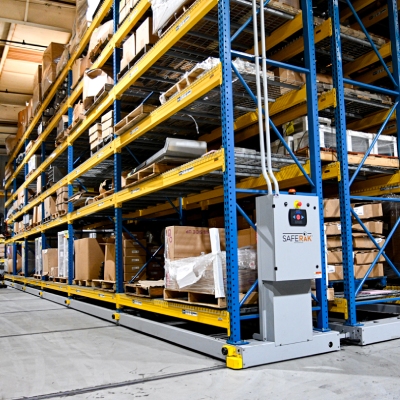
Maximize your warehouse efficiency with Pallet Runner Systems, an advanced semi-automated high-density storage solution designed for operations that prioritize space optimization and high throughput. Ideal for facilities handling large volumes of the same SKU, Pallet Runner systems use a motorized shuttle to transport pallets within deep storage lanes—eliminating the need for forklifts to enter each lane and dramatically improving both safety and productivity.
Concept Storage, we design and integrate Pallet Runner Systems tailored to your operational needs, offering a smart alternative to traditional drive-in or push-back racking. Whether you’re managing FIFO (First-In, First-Out) or LIFO (Last-In, First-Out) inventory, this system provides flexible, efficient storage while reducing aisle space and increasing pallet positions.
Pallet Runner systems are perfect for cold storage, food and beverage, and manufacturing environments where product movement and square footage are critical. Our turnkey service includes layout design, supply, installation, and system training—ensuring seamless integration into your existing workflow.
Let Concept Storage help you streamline your warehouse with cutting-edge Pallet Runner technology that maximizes storage density, minimizes handling time, and boosts your bottom line. Contact us today to find out how a custom-designed system can transform your storage operation.

PALLET RUNNER VIDEO
PALLET RUNNER FAQs
A pallet runner system is a semi-automated deep-lane storage system. Instead of a forklift driving inside the rack to retrieve pallets, a battery-powered cart (the “runner”) is placed on rails underneath the pallet. The runner lifts the pallet and shuttles it to the front or back of the system on its own.
A forklift operator places the Runner cart into the desired lane. The operator then uses a remote (or tablet) to command the cart to “load” or “unload.” The cart runs down the lane, picks up a pallet, and brings it to the face for the forklift to grab.
No, it is “semi-automated.” You still need forklift drivers to bring pallets to and from the rack face. However, the driver never enters the rack structure itself.
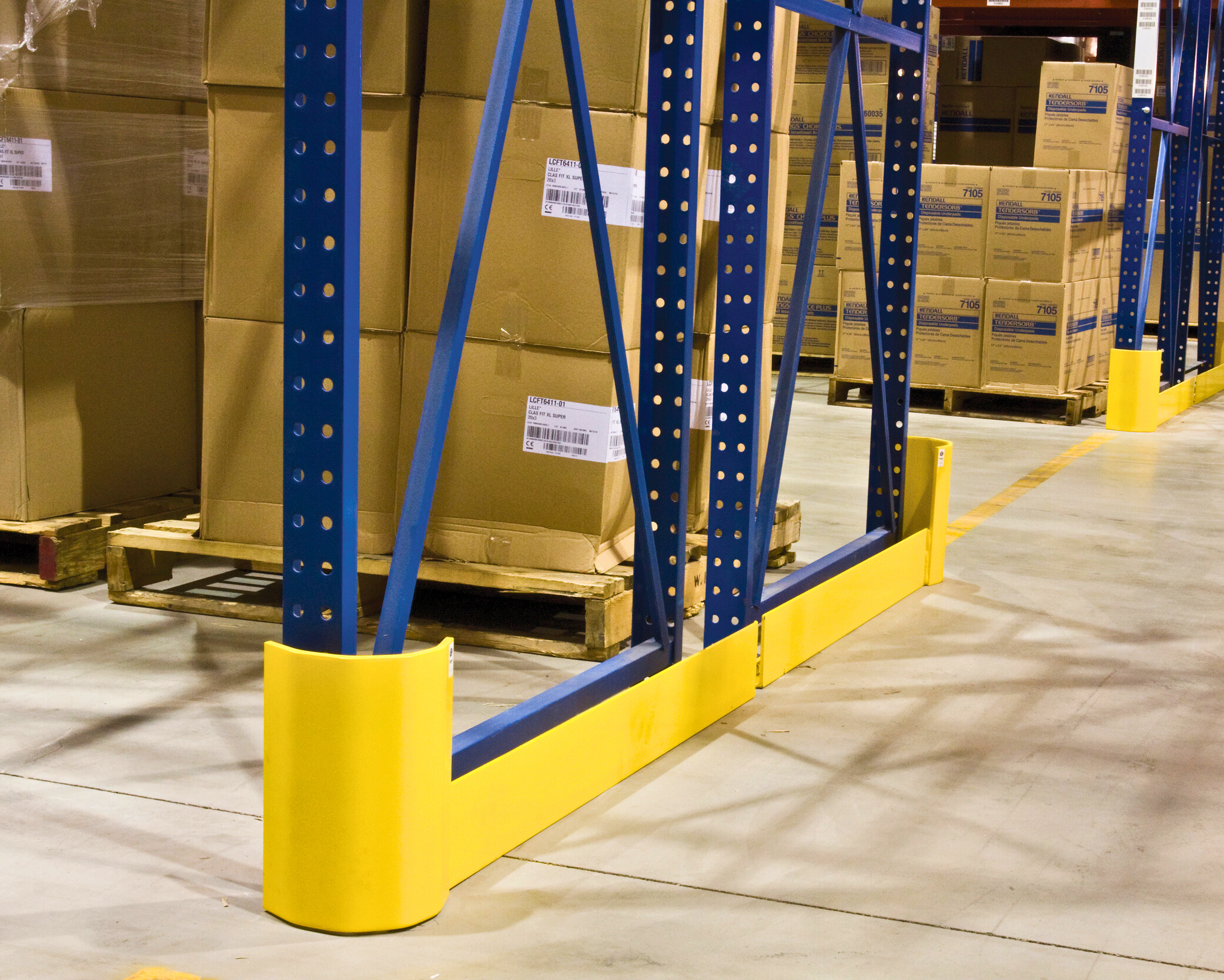
Speed and Safety. In Drive-In racking, the forklift driver has to drive slowly inside the rack tunnel, which takes time and often results in collision damage to the uprights. With a pallet runner, the forklift stays in the main aisle, reducing rack damage to near zero and cutting travel time significantly.
Yes. This is a huge advantage over Drive-In and Push Back (which are LIFO only). If you have aisles on both sides of the racking block, the Runner can load from one side and unload from the other, creating a perfect FIFO flow for perishables.
Much deeper than other systems. While push back is usually limited to 5-6 deep, and drive-in gets dangerous past 10 deep, pallet runner lanes can easily go 20, 40, or even 50+ pallets deep because the cart does all the traveling.
Most modern runners have a “rescue” function where a second cart (or a specialized retrieval hook) can be sent in to tow the disabled unit out. However, good operational discipline involves swapping/charging batteries during breaks to prevent this.
The standard pallet runner cart is rated for 3,300 lbs (1,500 kg), but there is a Heavy Duty version available that handles up to 4,400 lbs (2,000 kg). This is higher than many generic shuttles which cap out at 2,500 lbs.
Yes, standard. The pallet runner is built to operate in temperatures ranging from -22°F to 130°F (-30°C to 55°C). It uses a specific Lithium-Ion battery designed to not lose charge quickly in the cold (a common problem with cheaper lead-acid systems).